
Calibration
Understand your printer, improve your workflow and find answers for your next project.
Practical printing guides
 Calibration
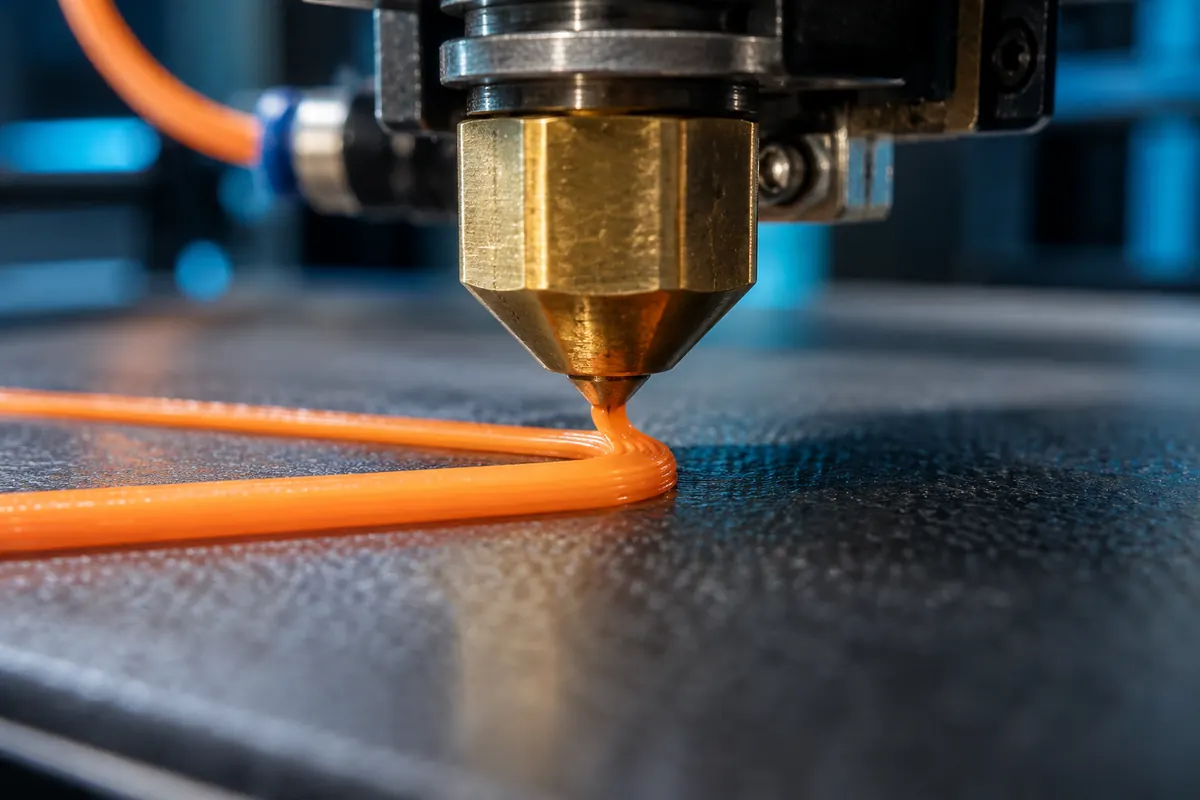
What Is Volumetric Flow?
Volumetric flow expresses how much polymer the hotend must deliver each second. Linear speed alone does not describe extrusion demand.
Read guide →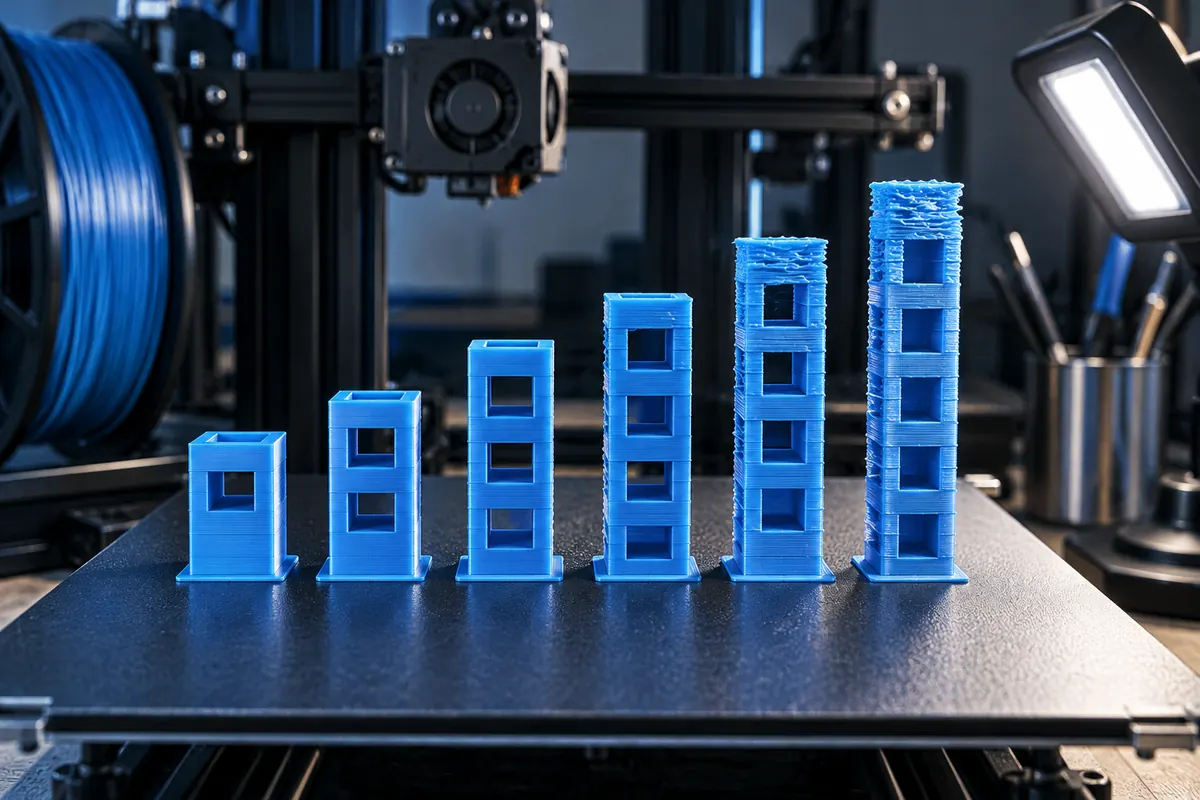 Calibration
How to Find Maximum Volumetric Speed
A safe volumetric limit belongs to a nozzle, material, temperature and quality target. It is not a permanent universal printer specification.
Read guide →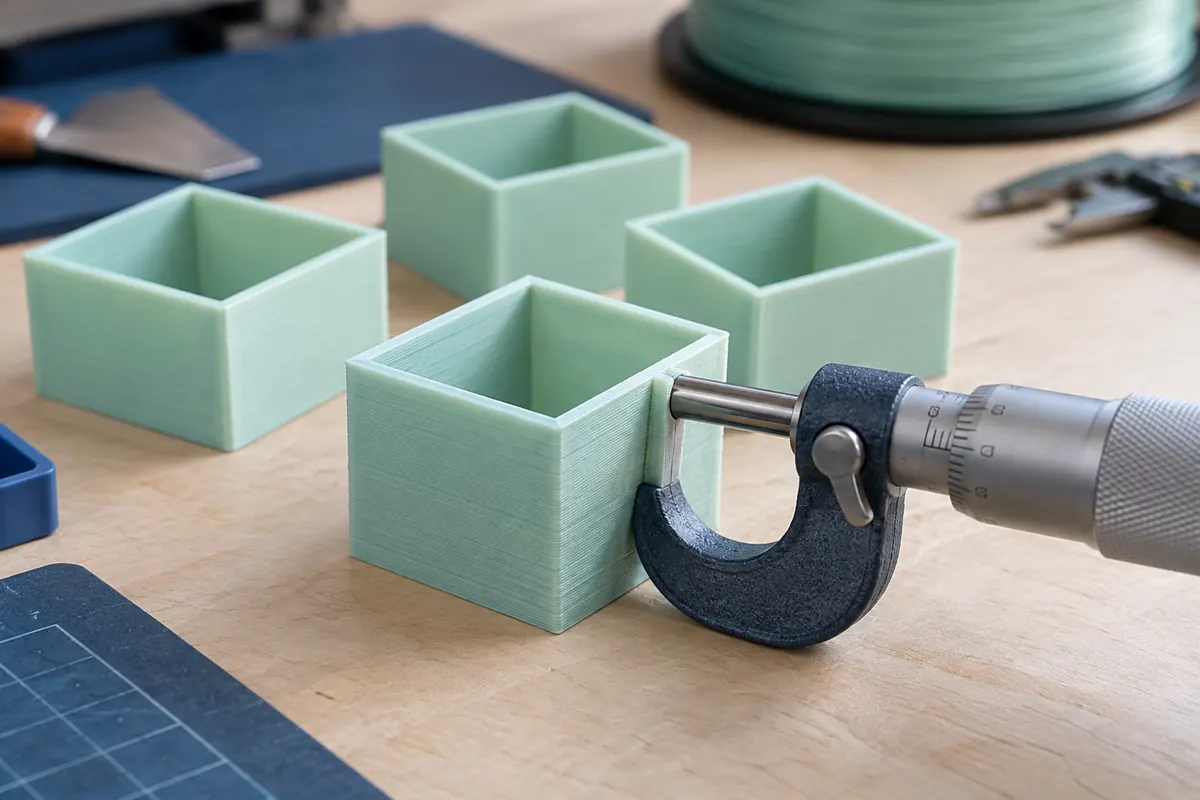 Calibration
How to Calibrate Extrusion Flow
Tune material flow only after feeding hardware and temperature behave consistently. Extrusion multiplier changes quantity, while pressure advance changes its transient timing.
Read guide →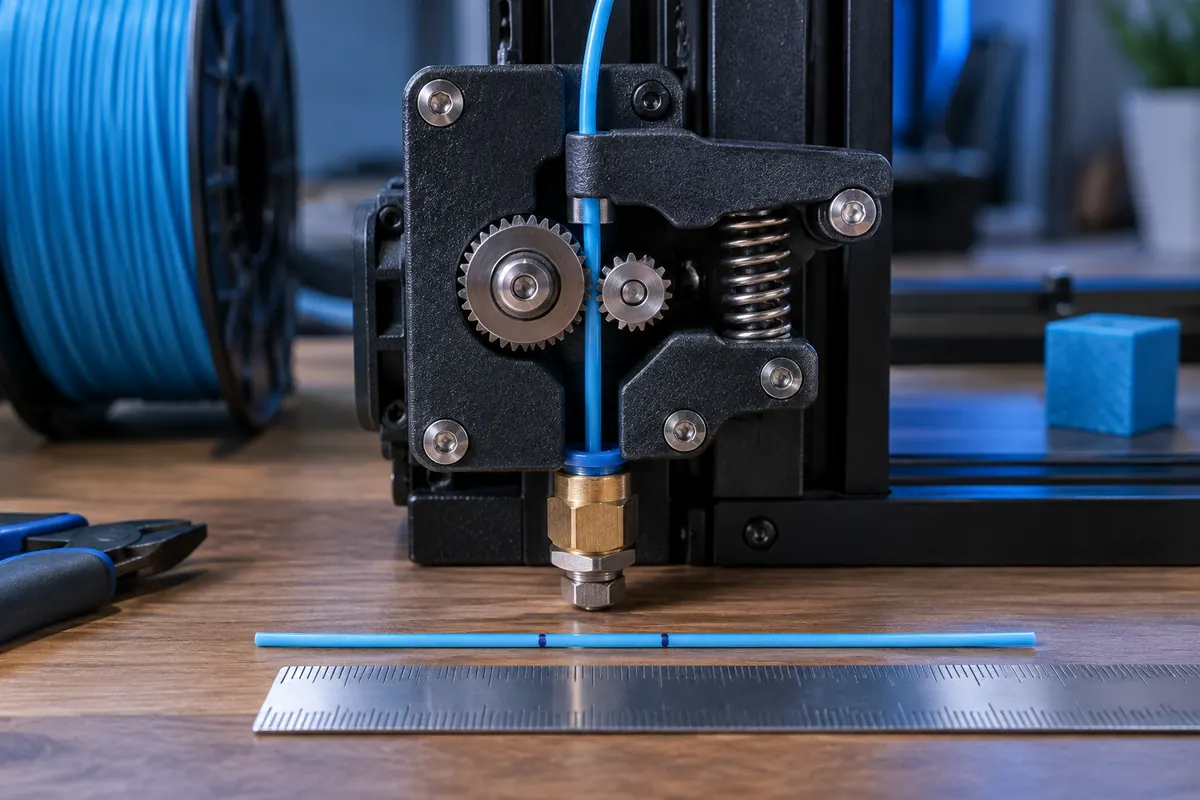 Calibration
E-Steps Calibration Explained
E-steps define how many motor steps correspond to one millimeter of filament feed. They calibrate mechanics rather than compensating for every printing defect.
Read guide →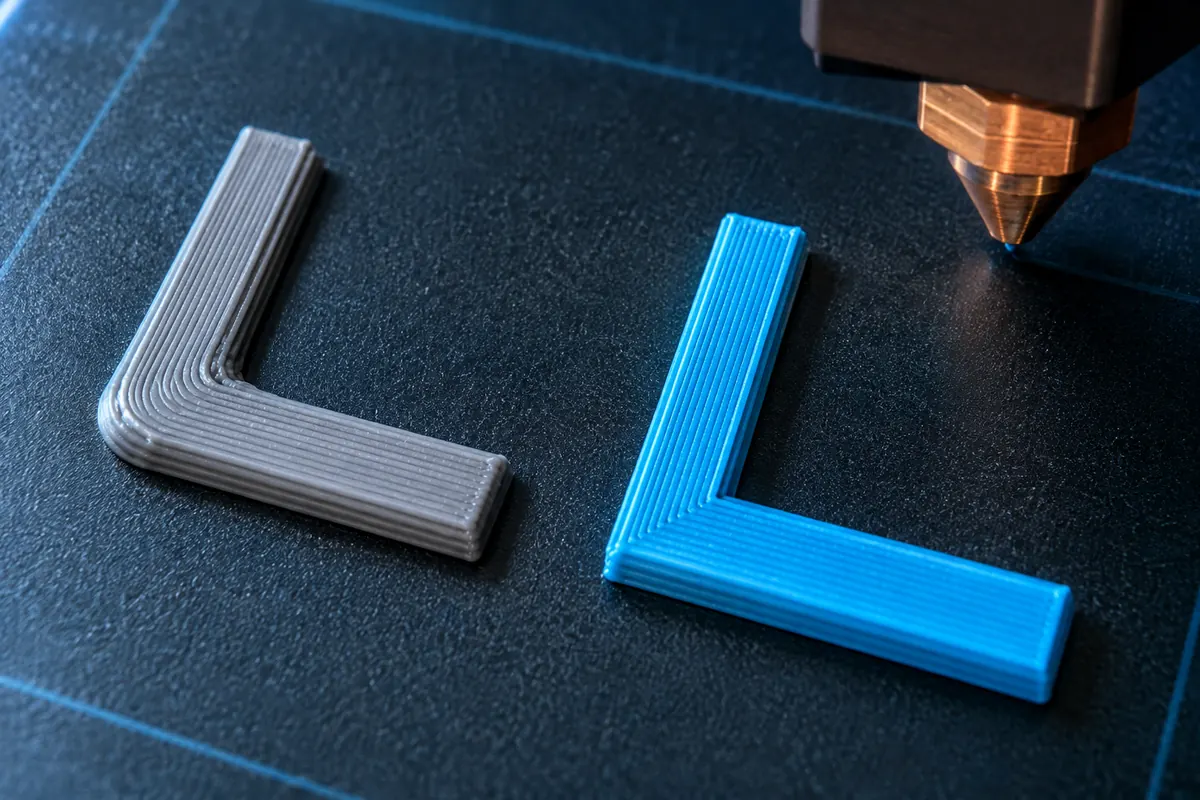 Calibration
Pressure Advance Explained
Pressure advance compensates extrusion transients during acceleration and deceleration. It can improve corners without serving as a substitute for correct material flow.
Read guide →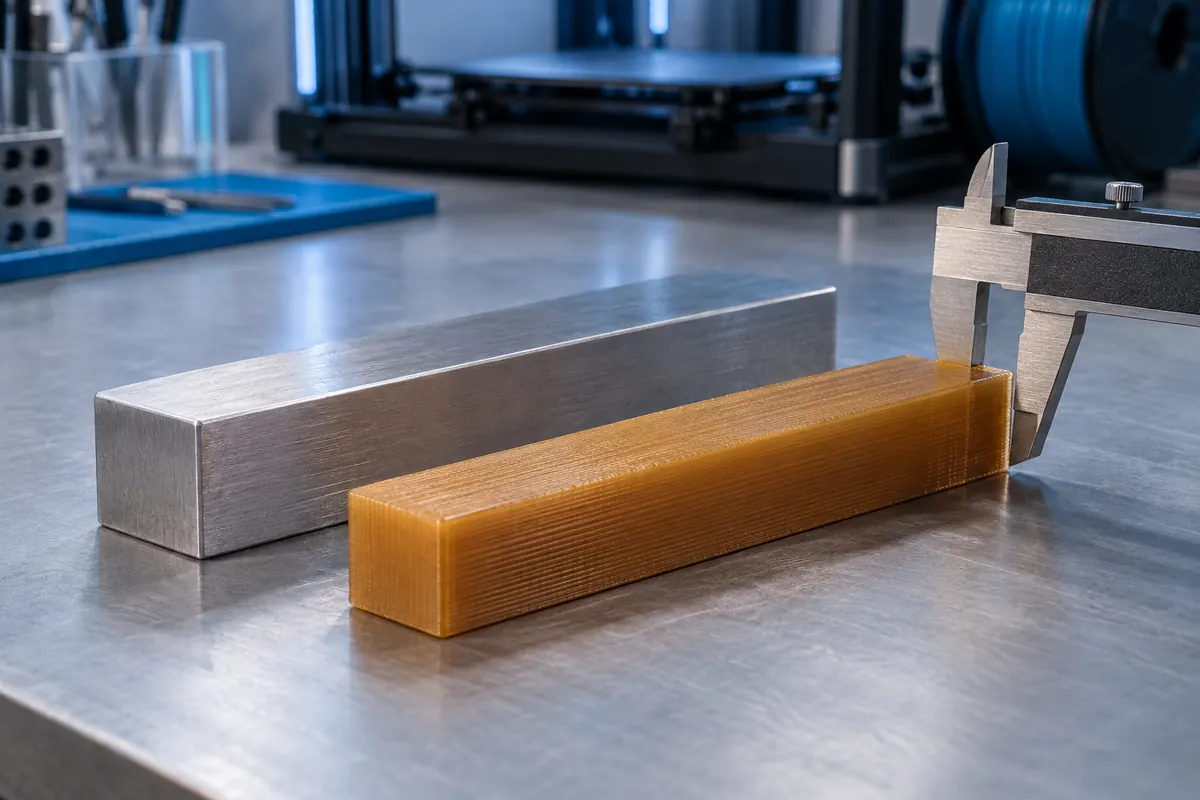 Calibration
Understanding 3D Printing Shrinkage
Cooling changes polymer dimensions, but not every dimensional error is proportional shrinkage. Scaling is appropriate only when the measured pattern supports it.
Read guide →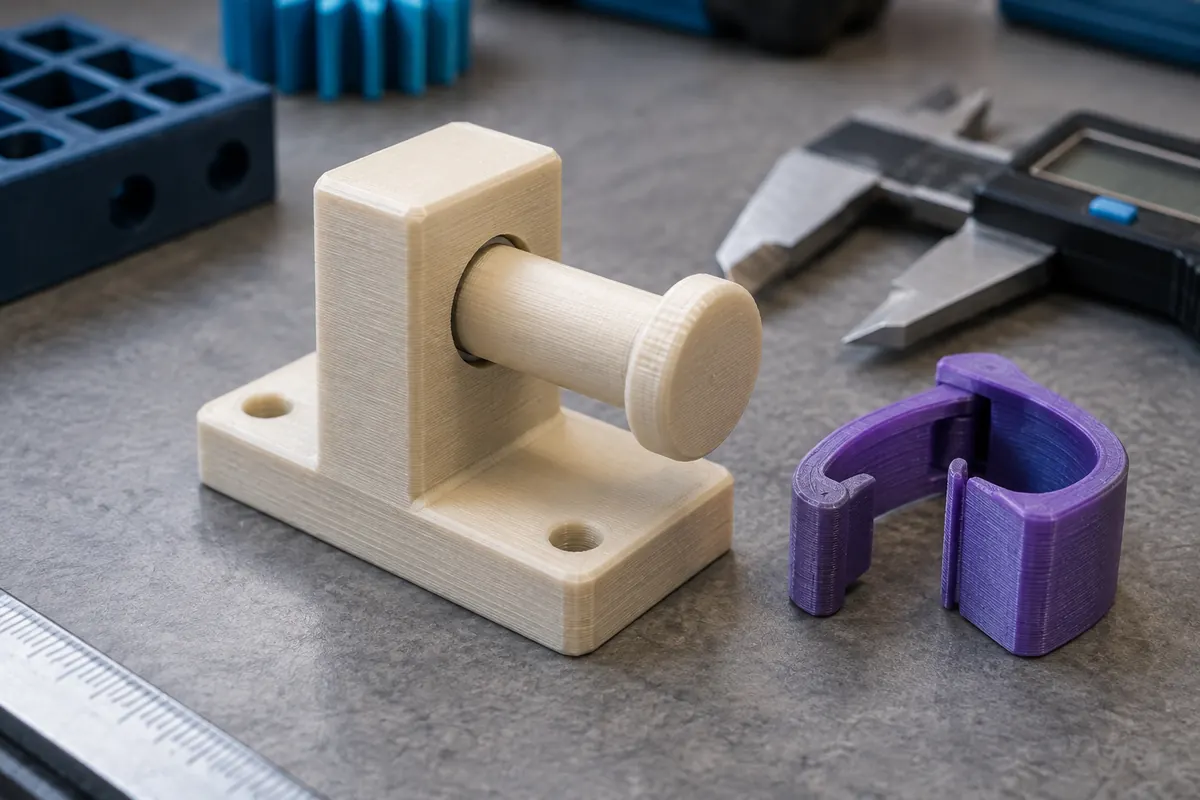 Calibration
3D Printing Tolerances and Clearances Explained
Tolerance describes allowed dimensional variation; clearance describes intentional space between mating parts. Design both for the function and the actual printing process.
Read guide →No matching guides.